
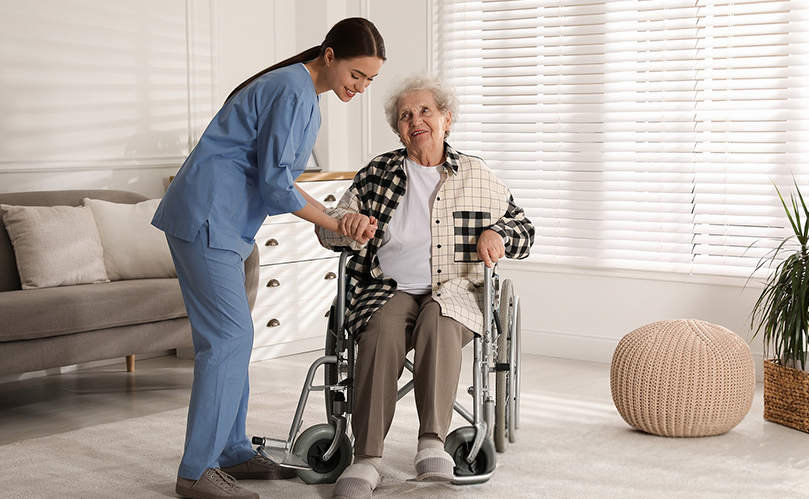
Aging often brings small physical changes before families notice a major difference. A senior may take longer to dress, feel less steady in the shower, or need more rest between daily tasks. At first, these changes may seem minor. However, they can slowly affect safety, confidence, and independence at home.
This is where personal care can make daily life easier. The goal is not to take over everything a senior can still do. Instead, the right support helps them manage tasks that have become harder while keeping them involved in their own routine.
Because physical needs can change over time, families often benefit from watching for new challenges early. With steady help, seniors can continue familiar habits while receiving support where it matters most.
Recognizing When Senior Physical Needs Are Changing
Physical changes do not always happen suddenly. In many cases, they appear gradually. A senior who once moved quickly through the home may start holding onto furniture. Meanwhile, dressing may take longer because of joint stiffness or reduced balance.
Families should watch for changes in everyday routines. These signs do not always mean someone needs full-time help. However, they can show that certain activities now require more effort or carry greater risk.
Common signs may include:
- Difficulty standing up from chairs or beds
- Slower walking or reduced balance
- Trouble reaching, bending, or lifting
- Fatigue during bathing or dressing
- Difficulty using buttons, shoes, or zippers
- Greater fear of falling
- Changes in grooming habits
- Skipping meals because preparation feels tiring
Because seniors may not always mention these challenges, regular observation matters; a respectful conversation can also help families understand which tasks feel difficult and which ones remain manageable.
Making Senior Bathing And Grooming Safer At Home
Bathing can become challenging when balance, strength, or flexibility changes. Wet floors also increase the chance of slipping. As a result, some seniors avoid showers or bathe less often because they feel unsafe.
Personal care support can make this routine easier. A caregiver may help prepare towels, clothing, and toiletries before bathing starts. They may also stay nearby for steadying support when needed.
Grooming can present similar problems. For example, arthritis may make it hard to hold a toothbrush, comb hair, or manage small grooming tools. Instead of completing every task for the senior, a caregiver can assist only where needed.
This approach helps maintain involvement in familiar routines. Even small choices, such as selecting clothing or deciding when to shower, can help seniors feel more in control of their day.
Supporting Dressing While Protecting Independence
Getting dressed may seem simple until movement becomes limited. Reaching overhead, bending toward the feet, or fastening buttons can become difficult. However, many seniors still want to handle as much of the process as possible.
Caregivers can support dressing in several practical ways. They may lay clothes out in the order they will be worn. They can also help with socks, shoes, buttons, or sleeves when movement is limited.
Simple clothing changes may also help. For instance, seniors may find elastic waistbands, front-opening shirts, or slip-on shoes easier to manage.
Because independence matters, caregivers should avoid rushing through the process. Giving a senior extra time can often allow them to complete more tasks themselves. Therefore, support should focus on what is difficult rather than replacing every ability.
Safe Home Movement Support For Seniors
Changes in strength and balance can affect how seniors move through the home. A short walk from the bedroom to the bathroom may become tiring. Meanwhile, stairs or uneven flooring can become harder to manage.
Personal care can include assistance with routine movement. A caregiver may walk beside the senior, offer an arm for support, or help them rise safely from a chair.
Families can also look for simple changes that reduce risk, such as:
- Keeping walking paths clear
- Removing loose rugs
- Improving lighting in hallways
- Keeping commonly used items within reach
- Using sturdy chairs with armrests
- Avoiding clutter near beds and bathrooms
Caregivers should follow any mobility instructions provided by healthcare professionals. For example, if a senior uses a walker, the caregiver should encourage its proper use rather than replacing it with unsupported walking.
Personal Care As Senior Energy Levels Change
Physical ability can vary from day to day. A senior may feel strong in the morning but become tired later. Therefore, daily support often works better when it follows the person’s energy level.
Caregivers can schedule demanding activities for times when the senior feels strongest. Bathing, dressing, or light movement may be easier earlier in the day. Meanwhile, save quieter tasks for periods of lower energy.
Rest breaks are also important. Instead of pushing through several activities at once, seniors may benefit from short pauses between tasks.
For example, someone might dress first, rest for ten minutes, and then walk to breakfast. This small adjustment can reduce fatigue while allowing the senior to stay involved.
Because energy levels can change, caregivers should watch for new signs of exhaustion and report unusual changes to the family or care team.
Supporting Senior Independence With Daily Choices
Receiving physical assistance does not mean a senior should lose control over daily decisions. In fact, personal choice becomes even more important when someone needs help with routine tasks.
Caregivers can offer simple choices throughout the day. A senior may choose what to wear, which grooming task to complete first, or whether to bathe before or after breakfast.
Even so, choices should remain simple when fatigue or memory concerns make decisions difficult. Two clear options often work better than a long list.
Supporting independence may also mean allowing extra time. A caregiver might be able to button a shirt quickly, but the senior may still do it slowly. Therefore, patience can be as important as physical assistance.
These small moments help seniors remain active participants in their own care instead of feeling that daily routines are being controlled for them.
Spotting Health Changes That Need Quick Care
Caregivers often spend enough time with seniors to notice small physical changes. As a result, they can become an important source of information for families.
A caregiver may notice that a senior now needs more help getting out of bed or becomes tired after walking a short distance. They may also see changes in appetite, balance, skin condition, or daily habits.
These observations should not be used to diagnose medical problems. Instead, they can help families decide when to contact a doctor, nurse, or other healthcare professional.
Keeping simple notes may help. For example, a caregiver might record when a new difficulty started and how often it occurs.
Because gradual changes are easy to overlook, this type of communication can help everyone respond sooner when a senior’s needs change.
Personal Care That Coordinates With Family
Good personal care works best when everyone understands the senior’s current needs. Family members, caregivers, and healthcare providers may each notice different changes. Therefore, regular communication can prevent confusion.
Families should share updated instructions when routines change. For example, a new mobility aid, bathing restriction, or recovery plan may affect how daily assistance should be provided.
It also helps to discuss which tasks the senior wants to continue doing independently. That way, caregivers know where help is welcome and where patience is more appropriate.
A simple care routine can include information about:
| Daily Area | Helpful Information |
| Mobility | When extra support is usually needed |
| Bathing | Preferred time and level of assistance |
| Dressing | Tasks the senior can still manage |
| Meals | Energy, appetite, and seating needs |
| Rest | Times when fatigue is usually strongest |
Clear communication keeps care consistent as physical needs change.
Flexible Personal Care Support As Needs Shift
A senior’s needs today may look different several months from now. Therefore, personal care should be reviewed rather than left unchanged for years.
Some seniors may need more support after an illness, injury, or hospital stay. However, they may regain strength and require less help later. Others may gradually need assistance with additional tasks.
Regular check-ins can help families adjust care in time. Ask whether daily routines still feel comfortable, whether new tasks are becoming difficult, and whether the current schedule still makes sense.
The goal should always remain practical. Seniors should receive enough help to stay safe and comfortable without losing abilities they can still use.
Because needs can change slowly, regular conversations often help families respond before daily tasks become overwhelming.
Personal Care That Adapts To Changing Needs
Changing physical needs are a normal part of many seniors’ lives, but they do not always require giving up familiar routines. The right personal care can help with bathing, dressing, movement, grooming, and other daily activities while still respecting independence.
Small adjustments often make the biggest difference. Therefore, families should watch for changes, communicate openly, and adjust support as needs develop.
If your loved one is starting to need more help with everyday tasks, Skyline Homecare can help you explore care options that fit their current routine and changing physical needs.